
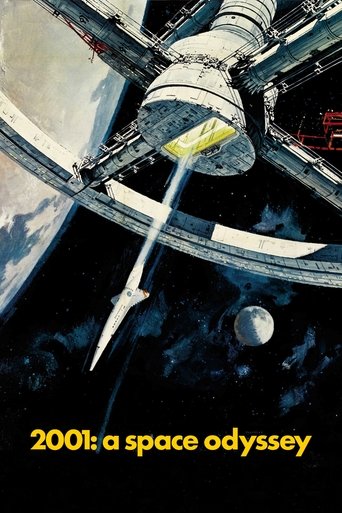
 ★ 8.02001: A Space Odyssey1968
 Singin' in the Rain1952 · ★ 8.1
 Roman Holiday1953 · ★ 7.9
 Jurassic Park1993 · ★ 8.0
 Wonder2017 · ★ 8.1
FlixSix
142 films and 17 series, every one rated seven or higher, each with its cast and a Watch now button.
Rated 8 and above
See all (18)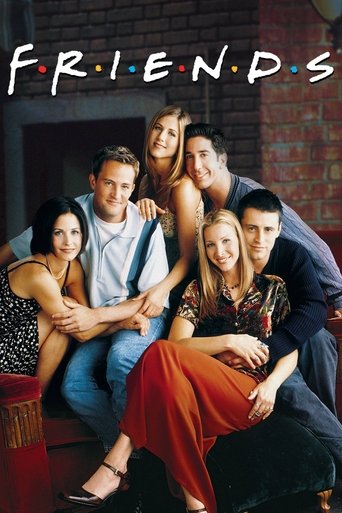 ★ 8.4TV
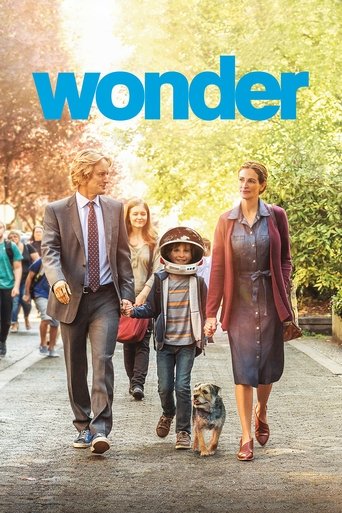 ★ 8.1
★ 8.1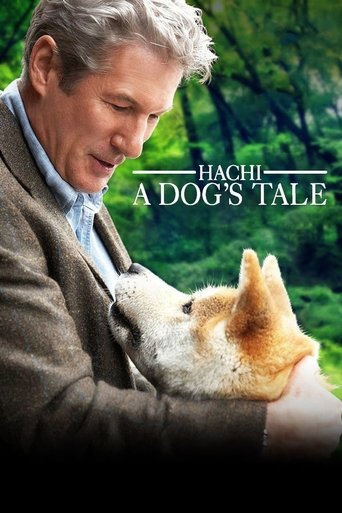 ★ 8.0
★ 8.0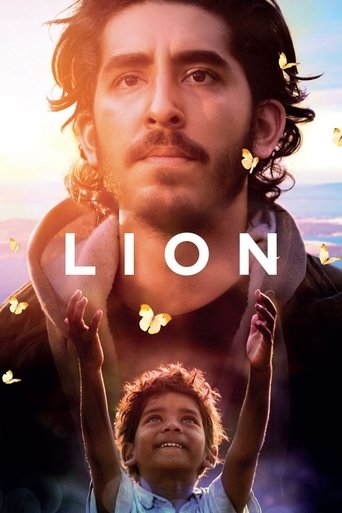 ★ 8.0
★ 8.0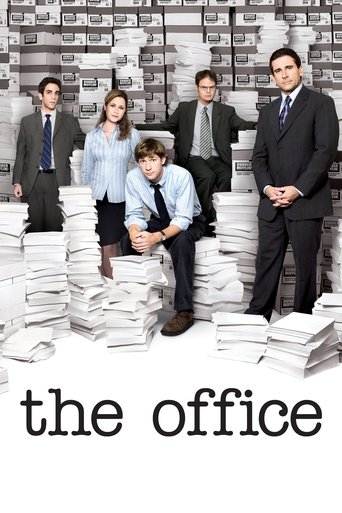 ★ 8.6TV
 ★ 8.1
★ 8.1Movies
See all (142) ★ 8.0Jurassic Park1993
 ★ 7.8Back to the Future Part II1989
 ★ 7.4The Social Network2010
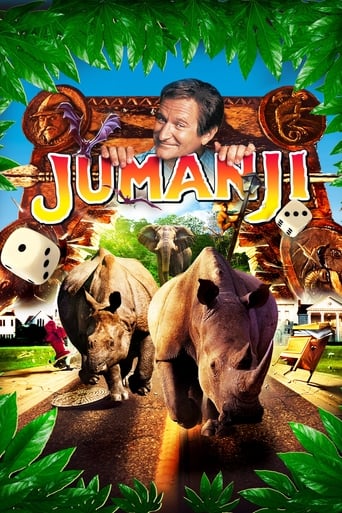 ★ 7.2Jumanji1995
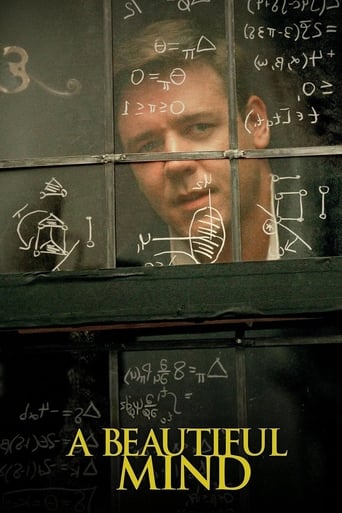 ★ 7.9A Beautiful Mind2001
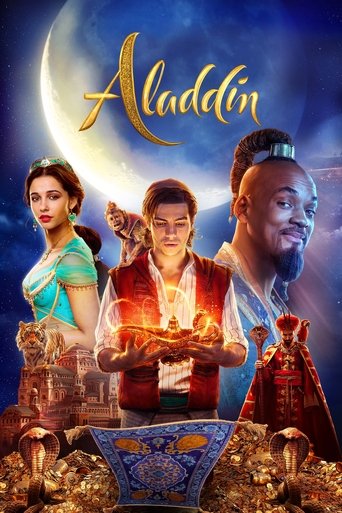 ★ 7.1Aladdin2019
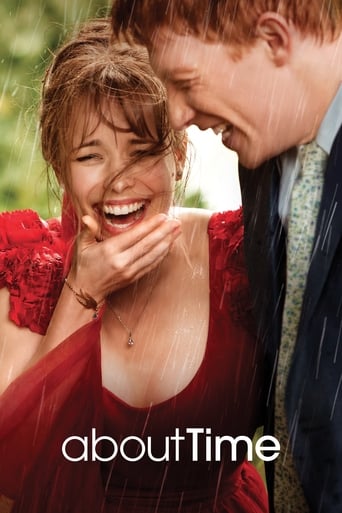 ★ 7.9About Time2013
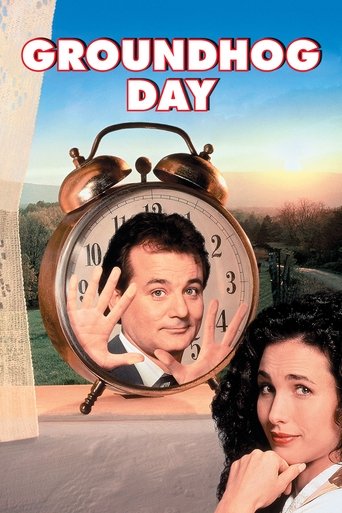 ★ 7.6Groundhog Day1993
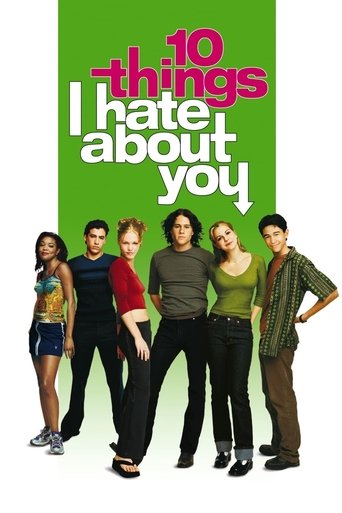 ★ 7.610 Things I Hate About You1999
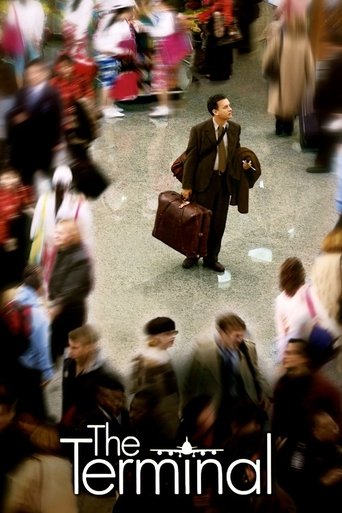 ★ 7.4The Terminal2004
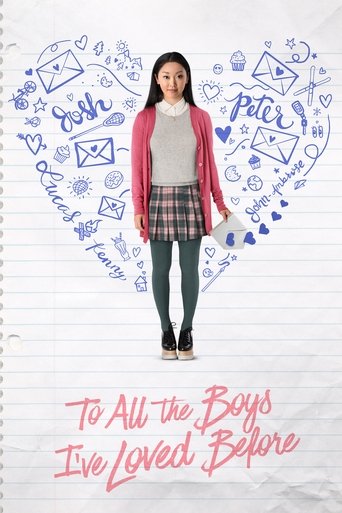 ★ 7.6To All the Boys I've Loved Before2018
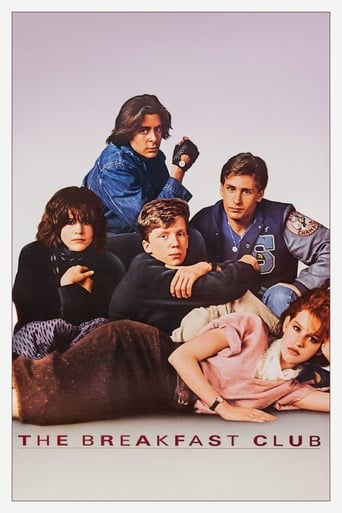 ★ 7.7The Breakfast Club1985
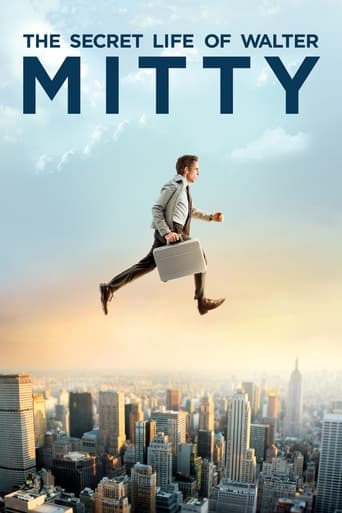 ★ 7.2The Secret Life of Walter Mitty2013
 ★ 7.7Little Miss Sunshine2006
TV Shows
See all (17)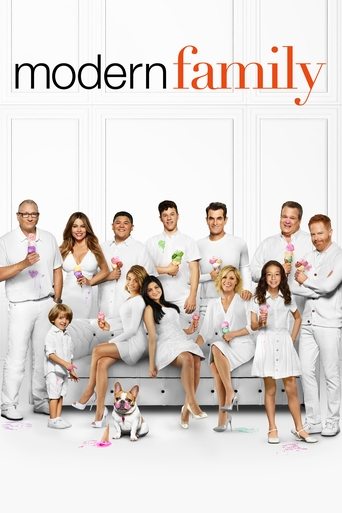 ★ 7.9TV
 ★ 7.9TV
 ★ 8.0TV
 ★ 8.0TV
 ★ 8.2TV
 ★ 8.0TV
 ★ 8.1TV
Classics
See all (16)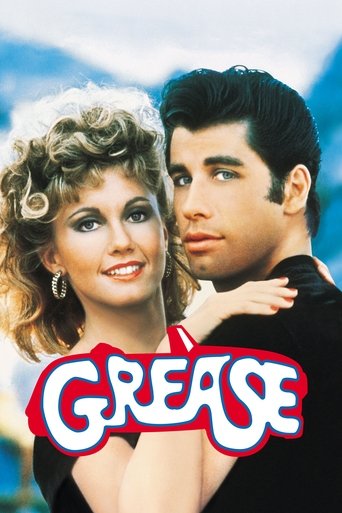 ★ 7.4
★ 7.4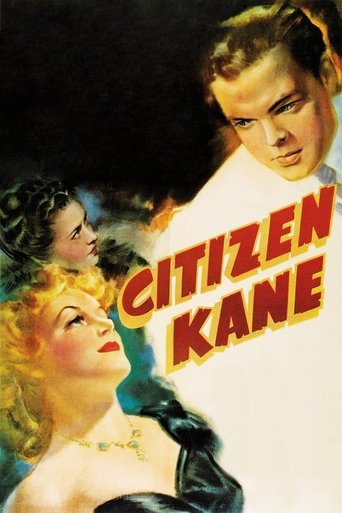 ★ 8.0
★ 8.0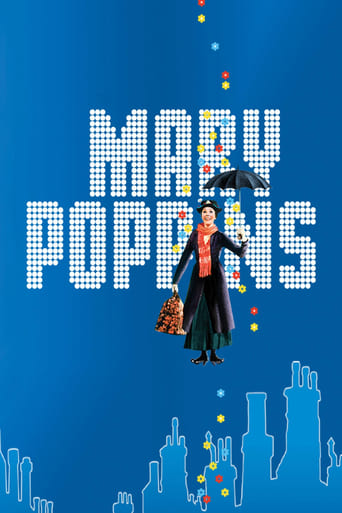 ★ 7.5
★ 7.5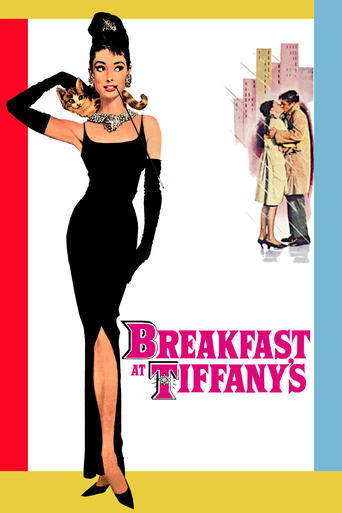 ★ 7.6
★ 7.6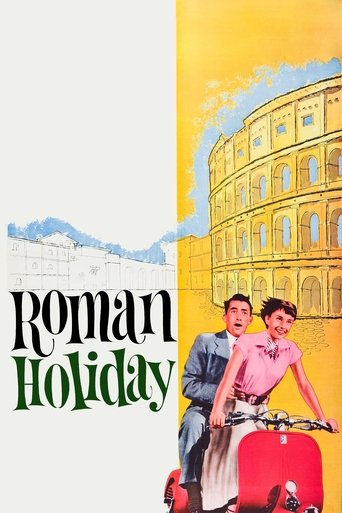 ★ 7.9
★ 7.9 ★ 8.0
★ 8.0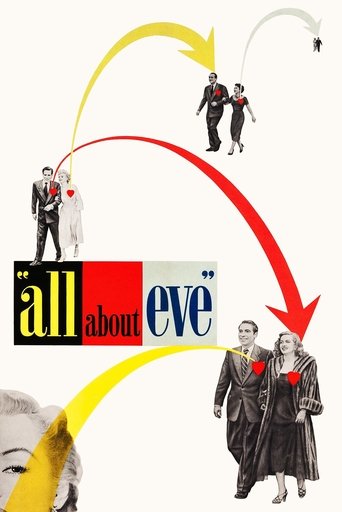 ★ 8.1
★ 8.1True stories
See all (32) ★ 7.3
★ 7.3 ★ 7.2
★ 7.2 ★ 7.2
★ 7.2 ★ 7.4
★ 7.4 ★ 7.6
★ 7.6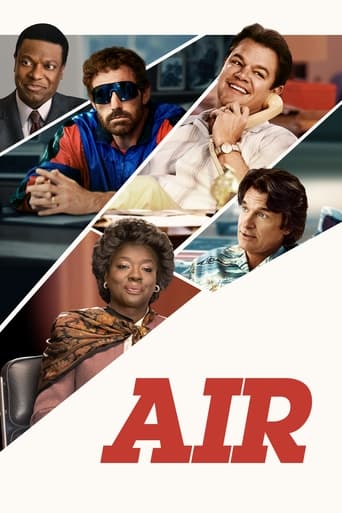 ★ 7.3
★ 7.3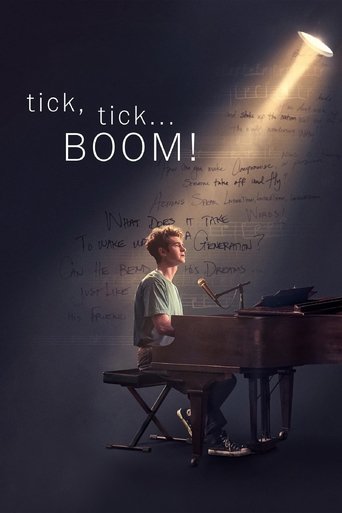 ★ 7.6
★ 7.6Family
See all (33) ★ 7.2
★ 7.2 ★ 7.2
★ 7.2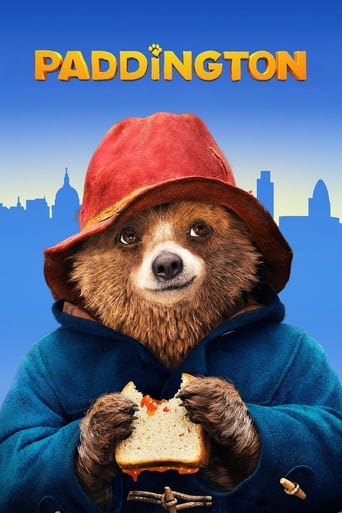 ★ 7.1
★ 7.1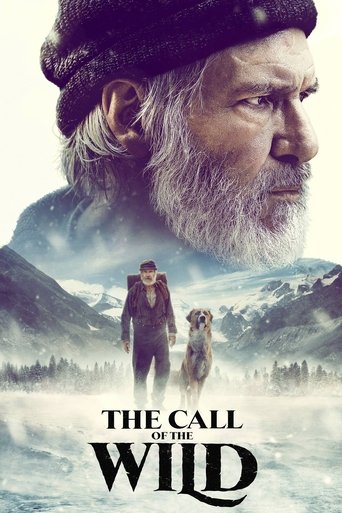 ★ 7.5
★ 7.5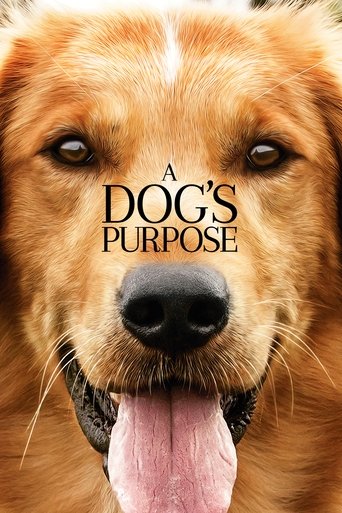 ★ 7.6
★ 7.6 ★ 7.2
★ 7.2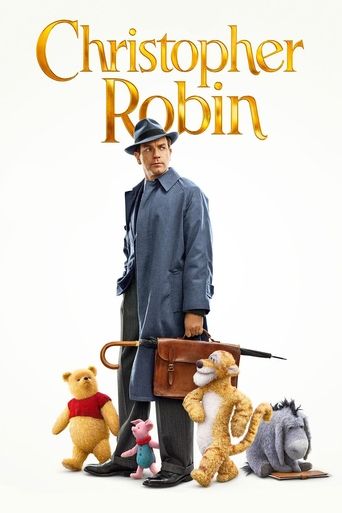 ★ 7.3
★ 7.3From the 2020s
See all (26) ★ 7.3
★ 7.3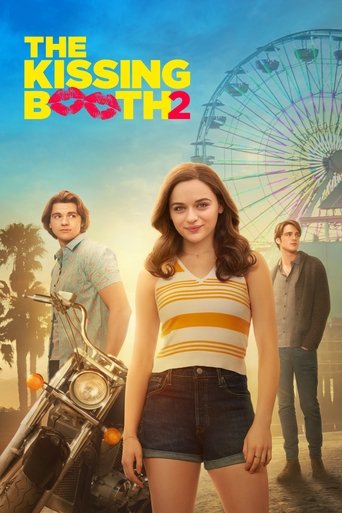 ★ 7.6
★ 7.6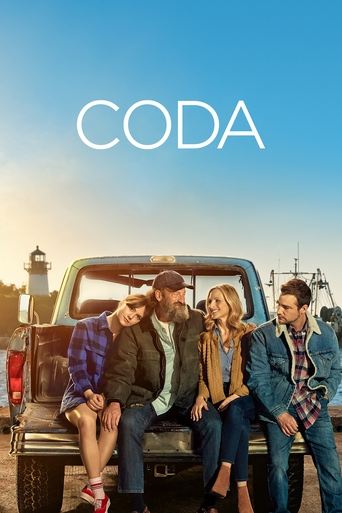 ★ 7.9
★ 7.9 ★ 7.7
★ 7.7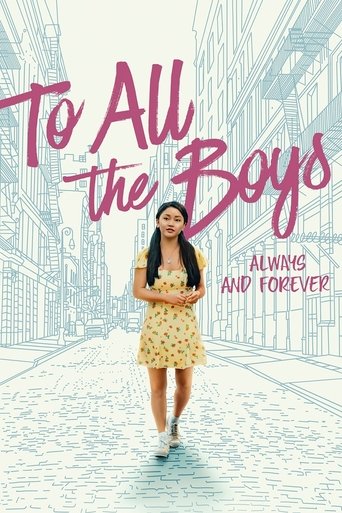 ★ 7.5
★ 7.5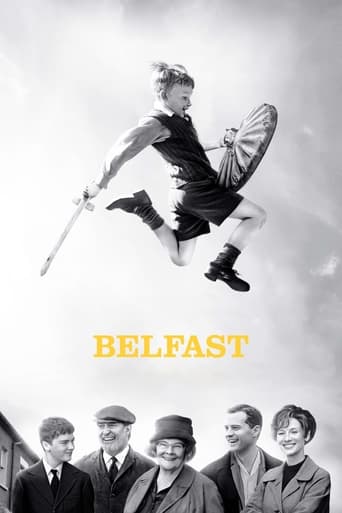 ★ 7.0
★ 7.0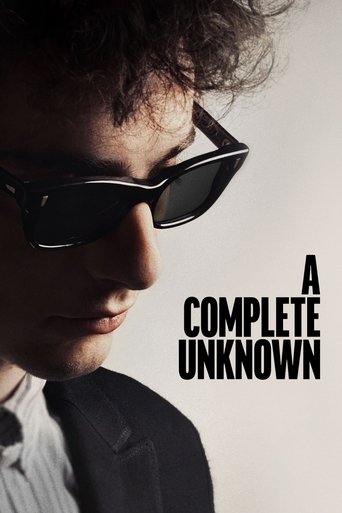 ★ 7.1
★ 7.1The FlixSix guide to top-rated movies and series
FlixSix: top-rated movies and series, from Singin' in the Rain, Roman Holiday and Jurassic Park to Wonder, CODA, Friends and The Office
Choosing something to watch has become harder as the choice has grown. Catalogues run to tens of thousands of titles, and an hour can vanish in scrolling. FlixSix takes the opposite approach. It is a short guide with a strict door policy: every film and every series on it holds an audience average of seven or more out of ten. There are 142 films, made between 1925 and 2026, and 17 series with 96 seasons and 1,788 episodes. Each has a page with its cast, a short summary, its rating in yellow and a button that leads to the official services where it can be watched.
Within that limit the range is wide. A hundred and eight titles are dramas, eighty-one are comedies and fifty-seven are romances. Thirty-three suit family viewing, forty-five involve adventure or fantasy, thirty-two are true stories, twenty-seven are carried by music and twenty-three give a leading part to an animal. Sixteen films are classics from before 1980, twenty-seven titles come from the 1980s and 1990s, thirty-three from the 2000s, fifty-seven from the 2010s and twenty-six from the present decade. Eighteen titles score eight or higher.
The Watch now button opens JustWatch for the country you choose and shows the subscription, rental, purchase and free services that carry the title there. FlixSix itself is a guide: it describes, sorts and points the way. The how to watch page explains the steps.
How the ratings work
The yellow number on every poster is the average score given by viewers on TMDB, the community film and television database, on a scale from one to ten. An average of seven may sound modest, but across the whole database it marks roughly the best fifth of all titles, and an average of eight is rare. To keep the figure meaningful, a film is admitted only when at least six hundred people have rated it, so that the score reflects a broad audience and a title earns its place fairly.
A rating is a useful guide and an imperfect one. It favours films that many people like over films that a few people love, and it tends to reward warmth. That suits FlixSix, which was also screened by hand for a mixed audience: what remains is a collection of well-liked films and shows that can be put on with confidence. The ratings page sets out the rules in full.
One effect of the rule is that different eras sit side by side as equals. Charlie Chaplin's The Gold Rush, made in 1925, holds exactly the same score as Jurassic Park and Lion. A good film, it turns out, stays good.
Six titles to begin with
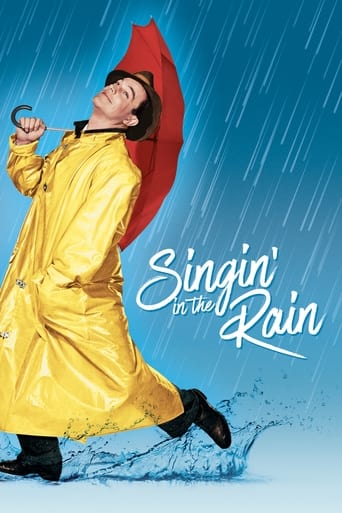
The home page features six titles. Singin' in the Rain, from 1952, is the best-loved musical ever made in Hollywood: Gene Kelly, Debbie Reynolds and Donald O'Connor play performers caught out by the arrival of sound, and the title number, danced through a studio downpour, is cinema's purest expression of happiness. Roman Holiday, from the following year, made a star of Audrey Hepburn as a princess who escapes her duties for a day with a reporter played by Gregory Peck.
Jurassic Park, from 1993, is Steven Spielberg's great adventure, in which a preview tour of a dinosaur park goes thrillingly off schedule. Wonder, from 2017, follows Auggie Pullman through his first year at school and shares the highest film rating in the guide. CODA, best picture at the Academy Awards in 2022, is the story of the only hearing member of a deaf fishing family and of the voice she discovers.
The sixth is a series. Friends ran for ten seasons and 228 episodes from 1994, and its six New Yorkers, their sofa and their coffee shop are known in every country where television is watched. On FlixSix it sits just behind The Office at the head of the rated list.
The classics
Sixteen films date from before 1980, and they are the pride of the collection. Two are by Chaplin. In The Gold Rush the Little Tramp goes prospecting in the Klondike, dines on a boiled boot and makes two bread rolls dance; in The Circus, from 1928, he stumbles into the ring while fleeing a policeman and becomes the star of the show by accident. Both are silent, and both make audiences of every age laugh aloud.
The 1930s and 1940s produced the romantic comedy at its sharpest. It Happened One Night, directed by Frank Capra, sends a runaway heiress and a newspaperman across America by bus and was the first film to win all five major Academy Awards. The Philadelphia Story gathers Katharine Hepburn, Cary Grant and James Stewart on the eve of a society wedding. The Shop Around the Corner, by Ernst Lubitsch, is set in a Budapest gift shop where two quarrelling assistants are, unknown to each other, devoted pen friends; it is one of the eighteen titles on FlixSix rated above eight.
Citizen Kane and All About Eve represent Hollywood drama at full stretch, one the life of a press baron told in fragments, the other a backstage story of ambition with Bette Davis. From Britain comes The Red Shoes, Michael Powell and Emeric Pressburger's dazzling Technicolor film about a ballerina, with a fifteen-minute ballet at its centre that has inspired dancers and directors ever since.
The later classics are mostly musical: Mary Poppins and My Fair Lady, both from 1964, Breakfast at Tiffany's with its famous song, Grease and The Muppet Movie from the end of the 1970s. 2001: A Space Odyssey stands apart, as it always has. The classics page lists all sixteen.
Rated eight and above
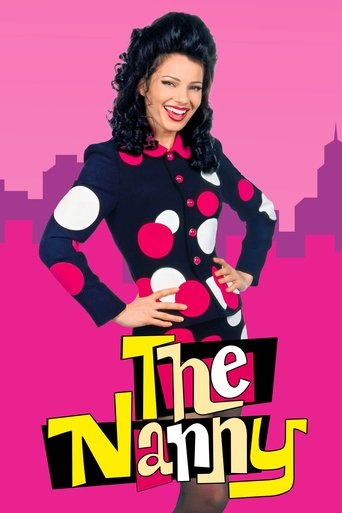
Eighteen titles clear the highest bar. Six are series: The Office, Friends, Freaks and Geeks, The IT Crowd, The Nanny and The Good Place. Long-running comedies tend to score well because the people who rate them have spent years in their company.
Among the films, five share a score of 8.1: Singin' in the Rain, The Shop Around the Corner, All About Eve, Wonder and two stories of loyal dogs, Togo and The Art of Racing in the Rain. At exactly eight stand 2001: A Space Odyssey, The Gold Rush, Lion, Flipped and Hachi: A Dog's Tale. Flamin' Hot, the story of a factory janitor with an idea for a snack, has joined them recently.
It is an instructive list. Three of the films are more than seventy years old, three are about dogs, and two are quiet stories of childhood. Spectacle counts for less with audiences than affection does.
The series
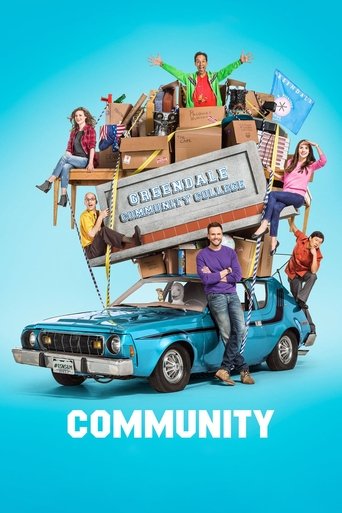
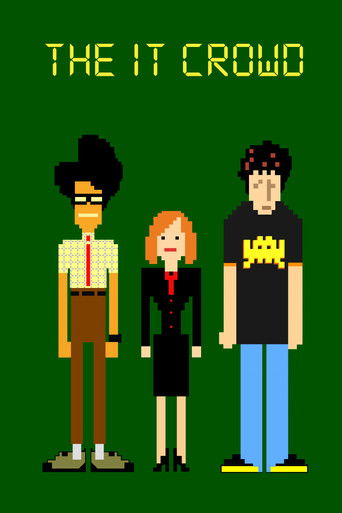
Seventeen series have been admitted, and thirteen of them are comedies. The workplace is a favourite setting. The Office spends nine seasons at a paper merchant in Pennsylvania, Superstore six on the floor of a discount store, and The IT Crowd four in the basement of a London corporation. Community is set in a study room at a small college, and each of its 110 episodes tries on a different style.
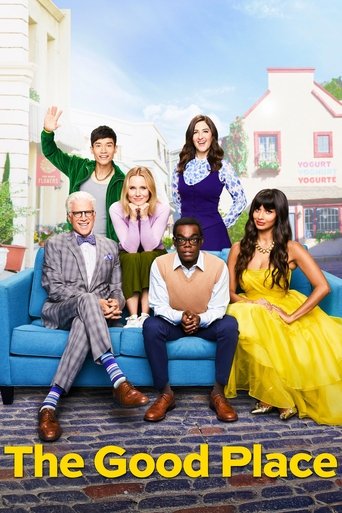
Families and friends fill the rest. Friends and Modern Family are the long runners, with 228 and 250 episodes. The Fresh Prince of Bel-Air and The Nanny are two classics of the 1990s about newcomers in wealthy households. Gilmore Girls follows a mother and daughter through seven seasons of rapid conversation, Schitt's Creek strands a rich family in a small town and lets them grow fond of it, and The Good Place tells a complete story about what it means to be a good person in fifty episodes.
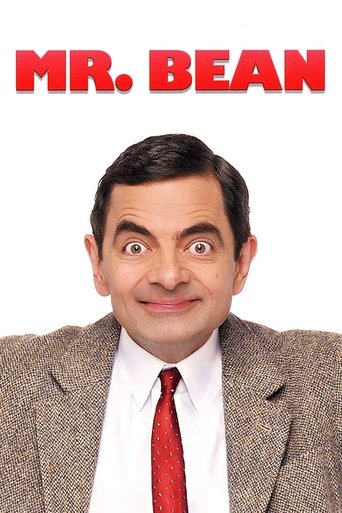
Three series offer adventure: Merlin, the legend of Camelot retold for a family audience, and the light science fiction of Eureka and Warehouse 13. Two are curiosities worth seeking out. Freaks and Geeks lasted a single season of eighteen episodes in 1999 and launched the careers of half a generation of comic actors. Dinosaurs is a puppet sitcom about a prehistoric family, made by the workshop that created the Muppets. And Mr. Bean needs only fourteen episodes and hardly a word to make its case. The series page gives seasons and episode counts for each.
Drama
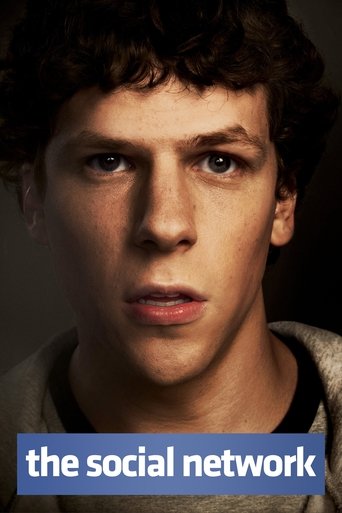
A hundred and eight titles are dramas, the largest shelf in the guide. Some are portraits of exceptional people: A Beautiful Mind on the mathematician John Nash, The Social Network on the founding of a famous website, The Young Victoria, with Emily Blunt as the queen in the first years of her reign, and Rain Man, in which a brash young man learns to know his brother on a drive across America.
Others are portraits of families. CODA and Wonder have been mentioned. Belfast is Kenneth Branagh's memory of a childhood street. Steel Magnolias gathers six women in a Louisiana beauty parlour and follows their friendship through weddings, births and losses, and Little Miss Sunshine is as much a drama as a comedy by the time its yellow van reaches California.
The quietest dramas are often the most admired. Past Lives reunites two childhood friends after twenty-four years. Paterson spends a week with a bus driver who writes poems, Nebraska is a road trip in black and white, and C'mon C'mon pairs a radio journalist with his nine-year-old nephew for a journey through American cities. The drama page sorts the shelf by theme.
True stories
Thirty-two films are drawn from real lives, and sport supplies many of the best. Seabiscuit tells of an undersized racehorse that lifted the spirits of a nation in the 1930s. Glory Road follows the college basketball team that changed the sport in 1966, Invincible a thirty-year-old barman who won a place with a professional football side at an open trial, and The Damned United the forty-four turbulent days that the manager Brian Clough spent at a great English club. King Richard, McFarland, USA, Eddie the Eagle, Cool Runnings and The World's Fastest Indian belong to the same proud family.
Stories of the mind are just as stirring. The Man Who Knew Infinity brings a self-taught Indian genius to Cambridge. Gifted Hands: The Ben Carson Story follows a boy from a poor Detroit household to the operating theatre of a famous hospital. BlackBerry and The Founder show how ideas become companies, and One Night in Miami... imagines the conversation when four celebrated friends met in a hotel room in 1964.
Then there are the stories of ordinary courage: Lion, The Boy Who Harnessed the Wind, Togo, Radio, about a football coach who befriends a young man his town had overlooked, and Goodbye Christopher Robin. The true stories page lists them by field.
Comedy
Eighty-one titles are comedies, and the highly rated ones share a quality: they are funny and kind at once. Groundhog Day makes its hero earn his happy ending one repeated day at a time. Ferris Bueller's Day Off and The Breakfast Club gave teenagers their due in the 1980s, and Big gave a twelve-year-old the body of Tom Hanks. National Lampoon's Christmas Vacation is the seasonal favourite.
The comedies of the last twenty years lean towards the bittersweet. Little Miss Sunshine, The Way Way Back, Hunt for the Wilderpeople and The Peanut Butter Falcon all send mismatched companions on a journey and bring them home changed. Chef and The Hundred-Foot Journey find their humour in kitchens, The Upside in an unlikely friendship between a wealthy man and his carer, and Eighth Grade in the awkwardness of being thirteen.
On television the laughs come in half-hours: The IT Crowd, Community, Superstore, Modern Family and the rest. The comedy page puts films and shows side by side.
Romance
Fifty-seven titles are love stories, and they span ninety years. The golden age is represented by It Happened One Night, The Philadelphia Story, The Shop Around the Corner, Roman Holiday and Breakfast at Tiffany's, films in which wit is the language of courtship.
The modern classics begin with Say Anything... in 1989 and Before Sunrise in 1995, Richard Linklater's night-long conversation in Vienna, which continued nine years later in Before Sunset. Notting Hill, While You Were Sleeping, 10 Things I Hate About You, About Time and The Lake House followed, and the last decade added The Age of Adaline, Crazy Rich Asians, Far from the Madding Crowd, Love at First Sight and Past Lives.
First love has a shelf within the shelf. Flipped tells one childhood romance from both sides. Little Manhattan follows a ten-year-old New Yorker through his first crush, scooter and all. To All the Boys I've Loved Before, The Kissing Booth, Everything, Everything and Chemical Hearts carry the theme into the teenage years. The romance page arranges them by era.
Family viewing
Thirty-three titles carry the family label. The older generation of family films is represented by Mary Poppins, The Muppet Movie, The Secret Garden, Homeward Bound: The Incredible Journey, The Sandlot and Jumanji. They were made with care and have lasted accordingly.
The newer generation includes Paddington, Christopher Robin, Wonder, Lady and the Tramp, Aladdin, Slumberland, in which a girl searches her dreams with an unlikely guide, and A Boy Called Christmas, an origin story set in the snows of the north. Secondhand Lions sends a shy boy to spend a summer with two great-uncles and their tall tales, and The Odd Life of Timothy Green grants a couple the child they imagined.
Several series suit younger viewers as well: Merlin, Dinosaurs, Mr. Bean and The Fresh Prince of Bel-Air can all be watched across the generations. The family viewing page suggests titles by age.
Adventure and fantasy
Forty-five titles promise a journey. Jurassic Park remains the benchmark, and Back to the Future Part II, Jumanji and Jungle Cruise offer adventure with a grin. 2001: A Space Odyssey is the serious end of the shelf, a film to watch slowly and discuss afterwards.
Wild country brings out the best in the genre. Togo and Eight Below are true stories of sled dogs, The Call of the Wild follows a pet to the Yukon, Arthur the King joins an endurance race through the jungle, and Hunt for the Wilderpeople loses a boy and his foster uncle in the New Zealand bush. The Secret Life of Walter Mitty travels to Greenland and the Himalayas in search of a photograph.
Fantasy takes gentler forms: the android who wants to be human in Bicentennial Man, the time-travelling romance of About Time, the connected strangers of In Your Eyes and the wishes granted along a road that only its travellers can find in Interstate 60. The adventure and fantasy page maps the shelf.
Music and dance
Twenty-seven films are carried by music. Four great musicals lead them: Singin' in the Rain, My Fair Lady, Mary Poppins and Grease. The Red Shoes is the classic of dance, and three recent films, Work It, Feel the Beat and High Strung, show that the appeal of watching people rehearse towards a performance has lost little of its force.
Lives in music form another group: Ray on Ray Charles, Selena on the Texan singer, Elvis, A Complete Unknown on the young Bob Dylan, and tick, tick... BOOM! on a composer racing to finish his first show. Sing Street starts a band in a Dublin school, August Rush follows a boy who hears music everywhere, In the Heights fills a New York neighbourhood with song, and CODA and Lemonade Mouth are about finding a voice. The music page has the programme.
Animal stories
Twenty-three films give a leading part to an animal, and audiences rate them generously. Hachi: A Dog's Tale, Togo, The Art of Racing in the Rain, A Dog's Purpose and A Dog's Way Home make five reasons to keep a handkerchief nearby. Marley & Me and Lady and the Tramp are lighter, Seabiscuit speaks for the horses, and Homeward Bound: The Incredible Journey sends two dogs and a cat across the mountains to find their family. The animal stories page lists them all.
A century, decade by decade
Because the door policy is the same for every year, the catalogue offers an unusual view of film history. The 1920s are represented by Chaplin, the 1930s by Frank Capra, and the 1940s by five films: The Philadelphia Story, The Shop Around the Corner, Citizen Kane, The Red Shoes and, at the turn of the decade, All About Eve. The 1950s give Singin' in the Rain and Roman Holiday, the 1960s Breakfast at Tiffany's, Mary Poppins, My Fair Lady and 2001: A Space Odyssey, and the 1970s Grease and The Muppet Movie.
Twenty-seven titles come from the 1980s and 1990s. The films include The Breakfast Club, Ferris Bueller's Day Off, Big, Rain Man, Say Anything... and Steel Magnolias from the first decade, and Jurassic Park, Groundhog Day, Cool Runnings, The Sandlot, The Secret Garden, Before Sunrise, Selena and Notting Hill from the second. Five of the series began in those years as well.
The 2000s contribute thirty-three titles, among them A Beautiful Mind, Seabiscuit, Ray, Little Miss Sunshine, The Young Victoria and Hachi: A Dog's Tale, together with The Office, Gilmore Girls and Merlin. The 2010s are the largest group with fifty-seven, from The Social Network and Flipped at the start to Togo and The Peanut Butter Falcon at the end. The twenty-six titles of the 2020s include CODA, King Richard, Belfast, Past Lives, Air, Arthur the King and A Complete Unknown. The decade page picks four from each period.
Directors
A hundred and thirty-five directors made the 142 films, which says something about how varied a well-rated list is. The roll includes many of the great names: Charlie Chaplin, Frank Capra, Ernst Lubitsch, George Cukor, Orson Welles, Joseph L. Mankiewicz, William Wyler, Michael Powell and Emeric Pressburger, Stanley Donen, Stanley Kubrick and Blake Edwards from the classical era; Steven Spielberg, Robert Zemeckis, John Hughes, Harold Ramis, Barry Levinson and Penny Marshall from the 1980s and 1990s.
The recent films are the work of a newer generation: Richard Linklater, Alexander Payne, Jim Jarmusch, David Fincher, Taika Waititi, Garth Davis, John Carney, Sian Heder, Celine Song, Mike Mills, Regina King and Kenneth Branagh, who appears both behind the camera of Belfast and in the cast lists of other entries. A handful of directors have two titles here, Linklater with his paired films and Chaplin with his two comedies among them, but the general rule holds: a reputation is made one good film at a time.
Stars to follow
Audrey Hepburn and Tom Hanks each lead three films. Hepburn's are Roman Holiday, Breakfast at Tiffany's and My Fair Lady, made within eleven years of one another; Hanks's are Big, The Terminal and Elvis, thirty-four years apart. James Stewart is the heart of two of the 1940 comedies, and Cary Grant, Katharine Hepburn, Clark Gable, Claudette Colbert, Bette Davis and Gene Kelly each have a film that shows exactly why they were stars.
Among living performers, Sam Neill appears four times, from Jurassic Park to Hunt for the Wilderpeople. Rachel McAdams, Julia Roberts, Will Smith, Dev Patel, Andrew Garfield, Emily Blunt and Domhnall Gleeson appear in two or more. The television casts are stars in their own right, and several have crossed over: Steve Carell from The Office to Little Miss Sunshine and The Way Way Back, Will Smith from The Fresh Prince of Bel-Air to King Richard.
Hidden favourites
A rule based on ratings turns up films that publicity passed by. Flipped made little noise on release and now holds one of the highest scores in the guide. Interstate 60, a fable about a young man on a road trip of riddles, has been kept alive by word of mouth for two decades. Little Manhattan, Secondhand Lions, In Your Eyes and Radio have similar histories: modest openings, then years of grateful recommendations.
Television films are here on merit too. Gifted Hands: The Ben Carson Story, Starstruck, Lemonade Mouth and A Cinderella Story: If the Shoe Fits were made for the small screen and found devoted audiences. So did streaming originals such as Work It, Feel the Beat, Upgraded and Love at First Sight. If a title on FlixSix is unfamiliar, that is a good reason to try it: several hundred viewers at least have been pleasantly surprised before you.
Choosing for the evening
The shelves can be read by mood. For pure pleasure, the musicals and the Chaplin comedies are unbeatable. For a good cry, Hachi: A Dog's Tale, Steel Magnolias and Lion will oblige. For conversation afterwards, try Citizen Kane, All About Eve or Past Lives. For a family evening, Wonder, Paddington and The Sandlot cross the generations easily.
When time is short, the series come into their own. A single episode of The IT Crowd or Mr. Bean takes less than half an hour, and The Good Place rewards being watched in order, a few episodes at a sitting. When time is plentiful, 2001: A Space Odyssey and My Fair Lady each fill a long evening handsomely, with an interval for tea.
The art of the screwball comedy
Three films on FlixSix belong to a style that Hollywood perfected in the 1930s and has been trying to recapture ever since. The screwball comedy pairs a man and a woman from different worlds, sets them arguing at speed, and lets the argument turn into love. It Happened One Night did it first and best: Claudette Colbert's heiress and Clark Gable's reporter share a bus seat, a haystack and a motel room divided by a blanket on a rope.
The Philadelphia Story moves the form to a grand house, where a bride-to-be finds her former husband and a journalist both on the guest list. The Shop Around the Corner is gentler and deeper, and its idea of two rivals who adore each other by letter has been borrowed many times since. The descendants are easy to spot elsewhere in the guide: Notting Hill, 10 Things I Hate About You and While You Were Sleeping all owe their rhythm to these three.
Teachers, coaches and mentors
Well-rated films have a weakness for a good teacher. In CODA it is a choir master who refuses to let a gifted pupil hide. In Sing Street it is an older brother with a stack of records. In Glory Road, McFarland, USA, Radio and King Richard it is a coach or a father who sees more in young people than they see in themselves, and in The Man Who Knew Infinity a Cambridge professor who learns as much as he teaches.
The same figure appears in lighter films. Mary Poppins is a teacher in disguise, the two great-uncles of Secondhand Lions educate a boy with stories, and the gruff foster uncle of Hunt for the Wilderpeople ends up being taught by his charge. On television, Freaks and Geeks is set in a school where the adults are as lost as the pupils, and Community makes comedy from a college where everyone is still learning.
Places on the map
The films roam widely. New York appears in Breakfast at Tiffany's, Big, Little Manhattan, In the Heights and Past Lives; Chicago in the John Hughes comedies and While You Were Sleeping; London in Mary Poppins, Notting Hill, Paddington and My Fair Lady. Rome, Vienna and Paris belong to Roman Holiday, Before Sunrise and Before Sunset.
Further afield lie the Yorkshire of The Secret Garden, the Dublin of Sing Street, the Belfast of the film that bears its name, the Malawi of The Boy Who Harnessed the Wind, the India and Tasmania of Lion, the New Zealand of Hunt for the Wilderpeople and The World's Fastest Indian, and the Alaska of Togo. The series add Scranton, Pasadena, a Connecticut town called Stars Hollow and the Camelot of legend.
Double bills
Good films talk to each other, and some pairings suggest themselves. The Gold Rush and The Circus show Chaplin three years apart. Before Sunrise and Before Sunset are two halves of one conversation. Roman Holiday and Notting Hill tell the same story from opposite ends, and The Shop Around the Corner pairs neatly with any modern romance conducted by message.
By theme, Seabiscuit and Togo are two portraits of animal courage; Cool Runnings and Eddie the Eagle cover one Winter Games from two unlikely teams; Citizen Kane and The Social Network are studies of young men who built empires of information seventy years apart; and The Red Shoes followed by Work It shows how the dance film has changed and how little the dancer's dream has.
Why dogs score so well
It is hard to miss the number of dog films near the top of the list. Five of the eighteen titles rated eight or above have a dog at their centre or close to it. Part of the reason is simple affection. Another part is craft: Togo was filmed in real snow with real sled dogs and has the sweep of a classic adventure, and Hachi: A Dog's Tale tells its story with great restraint.
These films also do something that audiences value highly. They are about loyalty, a quality that is easy to show and difficult to fake, and they let viewers of every age feel deeply in safe company. A Dog's Purpose, A Dog's Way Home, The Art of Racing in the Rain, Marley & Me and Eight Below all work in the same way, and all have earned their place on merit.
What makes a sitcom last
The thirteen comedies among the series have been on screens for a combined total of well over a century, and they share a few habits. Each has a fixed place, a sofa, an office, a shop floor or a study room, that the audience comes to know like a second home. Each has a cast in which every member can carry a story. And each keeps its jokes rooted in character, so that an episode is still funny on a fifth viewing, when every punchline is known.
Friends and The Office are the purest examples, Schitt's Creek and The Good Place the most surprising, since both allow their characters to change for the better over time. The Nanny and The Fresh Prince of Bel-Air show how much a single star can do, and Dinosaurs proves that the formula works even when the whole family is made of foam rubber.
Prize winners
A good many of the films arrived with honours. It Happened One Night swept the five main Academy Awards for 1934. All About Eve won six, including best picture, and My Fair Lady eight. Rain Man, A Beautiful Mind and CODA were each named best picture of their year. Citizen Kane won only for its screenplay and has spent the decades since being voted the greatest film ever made.
Performances have been rewarded as often as films. Audrey Hepburn won for Roman Holiday, her first leading role. Jamie Foxx won for Ray, Will Smith for King Richard, and Julie Andrews for Mary Poppins. Chaplin received a special award at the very first ceremony, for The Circus. Prizes are a matter of taste and timing, of course, and plenty of the best-loved titles here went home empty-handed; the audience rating is the fairer judge in the long run.
Childhood on screen
Some of the highest scores belong to films about being young. Flipped and Little Manhattan remember first love at eleven. The Sandlot is one endless summer of baseball, The Secret Garden a spring in which three children bring a walled garden back to life, and Wonder a school year that begins in dread and ends in applause. Eighth Grade is as honest a portrait of thirteen as the cinema has produced.
The teenage years have their classics too: The Breakfast Club, Ferris Bueller's Day Off, Say Anything... and 10 Things I Hate About You, together with the single season of Freaks and Geeks. Sing Street, Lemonade Mouth and Starstruck add music. What these stories share is respect for their young characters, which is exactly what young viewers, and those who remember being young, respond to.
From page to screen
Many well-rated films began as well-loved books. The Secret Garden, Mary Poppins, The Call of the Wild and Paddington come from children's classics. Breakfast at Tiffany's is from Truman Capote, Far from the Madding Crowd from Thomas Hardy, Seabiscuit from Laura Hillenbrand's history of a racehorse, and The Red Shoes takes its name and its fable from Hans Christian Andersen.
The stage has been just as generous. My Fair Lady is a musical of a Shaw play, The Philadelphia Story and Steel Magnolias were Broadway successes first, and The Shop Around the Corner was adapted from a Hungarian comedy. Lion, The Boy Who Harnessed the Wind and Gifted Hands: The Ben Carson Story are based on memoirs. A reader who has enjoyed any of these on the page will find the film a faithful companion.
A word on silent comedy
Two of the oldest films in the guide are silent, and newcomers sometimes hesitate over them. There is a simple way in: watch the first ten minutes with children. The Gold Rush and The Circus are built from physical jokes that explain themselves, a cabin teetering on a cliff edge, a tightrope walk with monkeys, and Chaplin's timing is so exact that the laughter is immediate.
Both films are also short, tender and beautifully restored, with orchestral scores that Chaplin composed himself for later releases. They sit comfortably beside the wordless comedy of Mr. Bean, made sixty years afterwards, whose star has always named the silent clowns as his teachers. Seen together, they show that the oldest kind of screen comedy is still the most universal.
Keeping the list fresh
Ratings move. A new film may open with a high average that settles over time, and an older one can rise as fresh audiences discover it. FlixSix records the scores as they stood when the catalogue was assembled, and the rule stays the same: seven or more, from a broad audience, in a story that can be shared. The newest entries, among them A Complete Unknown, Arthur the King, Upgraded and Flamin' Hot, sit beside films that have held their place for the better part of a century, and that company is the best compliment the guide can pay them.
Films about friendship
Romance takes the headlines, yet friendship may be the subject audiences rate most warmly. The Peanut Butter Falcon sends a young man and a fisherman down a river on a raft. The Upside pairs a wealthy man with a carer who refuses to treat him gently. Steel Magnolias is six women in one room, and The Breakfast Club five students who would ordinarily pass each other in the corridor. Secondhand Lions, Radio and Hunt for the Wilderpeople each bring together people who had little reason to meet.
The series are friendship stories almost by definition. Friends says so in its title, Community in its premise, and The Office and Superstore show colleagues becoming something closer over the years. Merlin rests on the bond between a servant and a prince, and The Good Place on four strangers who make one another better. It is a comforting thing to find at the top of a list assembled from the opinions of many thousands of viewers: what people prize most on screen is the sight of others getting along.
That may also be the best reason to keep a shortlist. A title added today is a small promise of good company on some evening to come, and a guide that admits only the well liked makes that promise easy to keep.
The look of FlixSix
FlixSix is black with a single bright yellow. The bar across the top carries the name, with its second half in yellow, a row of white links that underline in yellow when chosen, and a dark search field. The home page opens on a band of four wide stills from featured films, each with its title and score. Below it the modules follow one another: rated eight and above, movies, TV shows, classics, true stories, family and the newest titles, each under a heading with a yellow underline and a small yellow See all button.
Posters have crisp, nearly square corners. A yellow rating sits in the lower left corner of each, series carry a small TV tag, and the title and year stand beneath. On a telephone the links fold into a menu behind a three-line button and the posters stand three abreast. Film and series pages place the poster beside the facts, with the Watch now button and the country selector directly under the title, followed by the cast with photographs and related titles.
Finding a title
There are four ways to reach a film or a show. The search field answers as you type and accepts a title, a name or a word such as musical, dog or wedding. The links in the black bar lead to Movies, TV Shows, Top 8+, Classics, True stories, Family and the A to Z list. Each module on the home page carries a See all button showing the size of its shelf. And the A to Z page sets out all 159 titles in alphabetical order. The finding titles page describes each route.
The seventeen shelves overlap on purpose. Singin' in the Rain stands under Films, Eight and above, Comedy, Romance, Music and Classics; Togo under Eight and above, Drama, Family, Adventure, True stories and Animal stories. However a search begins, it ends within a few taps.
My List and Watch now
Every page has an Add to My List button. Pressing it places the title in a personal shortlist, which opens from the My List link in the black bar. The shortlist is kept in your browser on your own device, so it is ready each time you return on that device, and each saved title has a Remove button beside it. The list page can also save the shortlist as a file, a handy way to move it to another computer or to share a set of recommendations. The My List page gives the details.
When a title is chosen, the Watch now button does the rest. Select your country from the fifteen offered and press the button. JustWatch opens on the page for that film or series and shows which subscription services include it, where it can be rented or bought, and any free services with advertising that carry it. Classic films often appear on specialist and library services as well as the large ones, which is why FlixSix points to a source that is updated every day.
Where the information comes from
The 159 titles were chosen by hand from those that met the rating rule, and each summary was read before a title was admitted. Posters, stills, cast lists, episode details and summaries come from TMDB, and so do the ratings, which are the averages on the day the catalogue was assembled. The guide you are reading and the help pages were written for FlixSix by its own editorial team.
A short glossary
A few terms recur in this guide. An average rating is the mean of all the scores viewers have given a title. A silent film tells its story with images, music and a few printed captions. A screwball comedy is a fast-talking romantic comedy of the 1930s and 1940s. Technicolor is the rich colour process of films such as The Red Shoes. A sitcom is a comedy series with a fixed cast and setting, and a biopic is a film about a real person's life.
A plan for fourteen evenings
For a newcomer, here is one way to spend two weeks. Begin at the beginning with The Gold Rush, then jump to It Happened One Night and The Shop Around the Corner. Give an evening each to Singin' in the Rain and Roman Holiday, and let Citizen Kane have a night to itself.
In the second week, come forward in time: Jurassic Park and Groundhog Day from 1993, Little Miss Sunshine, Lion, Wonder with the family, CODA and Past Lives. On any evening that turns out shorter than planned, an episode of The Office or Friends will fill the gap. By the end you will have crossed a hundred years of film and seen why each of these titles earned its score.
Questions and answers
The questions below are those most often asked about FlixSix, with short answers. Fuller help is on the help pages named throughout this guide, including the how to watch page.
Questions
What is FlixSix?
FlixSix is a guide to 142 highly rated films made between 1925 and 2026 and 17 series, each with its cast and a Watch now button to official services.
How are titles chosen?
Every title holds a TMDB audience average of 7.0 or more, films need at least six hundred ratings, and each summary was read by hand for a family audience.
Which titles are rated highest?
Eighteen score 8.0 or more, led by The Office and Friends among the series and by Singin' in the Rain, Wonder, Togo and All About Eve among the films.
How old is the oldest film?
The Gold Rush by Charlie Chaplin dates from 1925, and sixteen films in all were made before 1980.
How many episodes are listed?
The seventeen series have 96 seasons and 1,788 episodes, and every series page lists them with titles and air dates.
Is the catalogue suitable for families?
Yes. The selection favours comedy, romance, family stories and uplifting drama.
How does My List work?
Press Add to My List on a film or series page. The shortlist lives in your browser, and the list page can save a copy as a file.
Does FlixSix host films or episodes?
FlixSix is a guide only. Every Watch now button opens JustWatch, which lists the official streaming, rental and purchase services for your country.
